A chirping or beeping smoke alarm is one of the most common issues homeowners deal with. Before you pick up the phone, there are a few things you can try on your own that may solve the problem.
Important: Never remove the batteries or disconnect a smoke alarm to stop it from chirping. In Ontario, it is against the law to disable a smoke alarm, and doing so leaves your home unprotected.
Identify the Sound
The type of sound your alarm makes tells you a lot about what is going on.
- A single chirp every 30 to 60 seconds usually means the battery is low and needs to be replaced.
- A chirp every 30 seconds that does not stop on a sealed battery model often means the alarm has reached its end of life and the entire unit needs to be replaced.
- Random chirps or brief alarm sounds are typically caused by environmental factors like dust, humidity, steam, or insects.
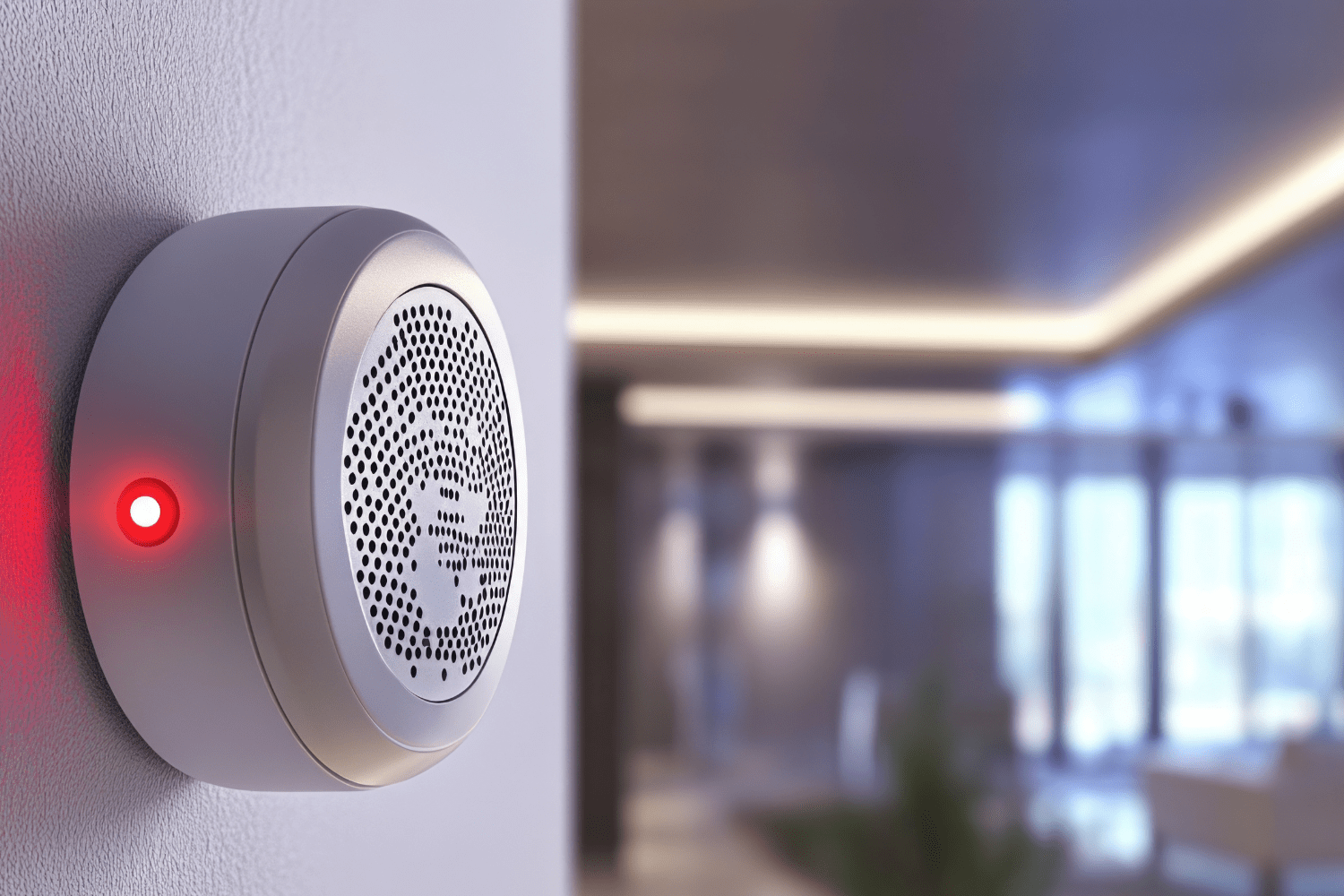
- Continuous loud beeping (three long beeps followed by a pause) means the alarm has detected smoke or carbon monoxide. Treat this as a real emergency until you have confirmed it is safe.
Try These Fixes First
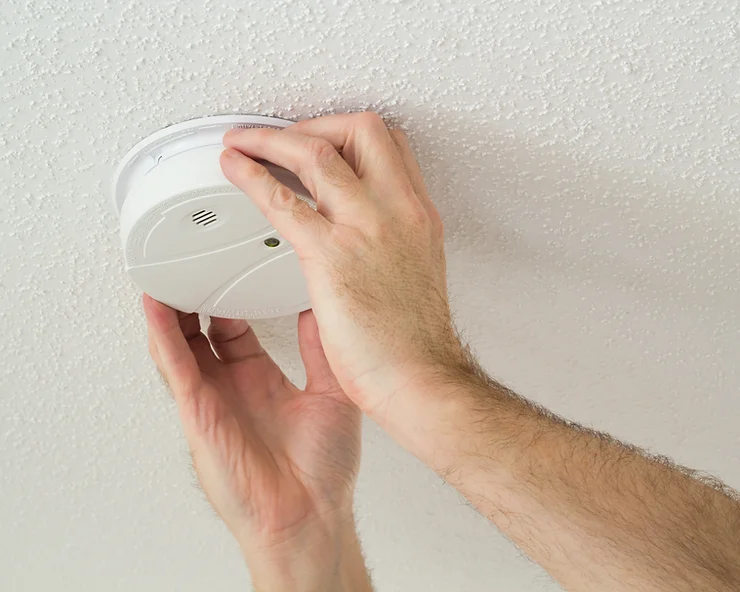
- Replace the battery. This is the most common fix. Remove the alarm from the bracket (most twist off with a quarter turn), swap in a fresh battery of the correct type, and press the test button to confirm the alarm sounds properly. Make sure the battery is snapped in completely and cannot shake loose.
- Reset the alarm. Sometimes the alarm retains an error in its memory even after a new battery is installed. Remove the battery (and disconnect from the wiring harness if hardwired), press and hold the test button for 15 to 30 seconds, then reconnect everything. The unit should chirp once and then stay quiet.
- Clean the alarm. Dust and debris can trigger false alarms and chirping. Gently vacuum the outside vents with a soft brush attachment, or use a can of compressed air to blow out the sensing chamber. This should be done at least every six months.
- Check for environmental triggers. Steam from cooking or showering, high humidity, temperature swings, and even small insects can trigger nuisance alarms. If your alarm goes off regularly during cooking, it may be too close to the kitchen. The Ontario government recommends relocating the alarm a short distance, using a unit with a hush button, or switching to a photoelectric alarm near kitchens, which are less prone to cooking-related false alarms.
- Check the age of the unit. Flip the alarm over and look for the manufacture date on the back. Smoke alarms should be replaced every 10 years, and carbon monoxide alarms every 7 to 10 years. If your alarm is past this date, no amount of troubleshooting will fix it. It needs to be replaced.
Look Up Your Specific Alarm Model
Every alarm brand and model has slightly different reset procedures, battery types, and chirp patterns. If you are unsure about your specific unit, try this: look up the brand and model number printed on the back of your alarm (common brands include Kidde, First Alert, and BRK), then search for the user manual online or ask an AI tool like ChatGPT or Claude to walk you through the care and troubleshooting steps for that exact model.
When to Call a Professional
If you have tried the steps above and your alarm is still chirping, going off randomly, or not responding to testing, it is time to call an electrician. This is especially true if:
- You have hardwired alarms and are unsure how to safely disconnect or replace them
- Multiple alarms are going off at the same time with no apparent cause
- Your alarms are interconnected and you cannot identify which unit is triggering
- Your alarms are more than 10 years old and need to be fully replaced
- You want to upgrade from battery-only to hardwired, interconnected alarms
Blais Electric can diagnose the issue, replace any expired units, and make sure your entire system is working properly and up to code.